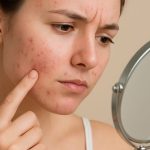
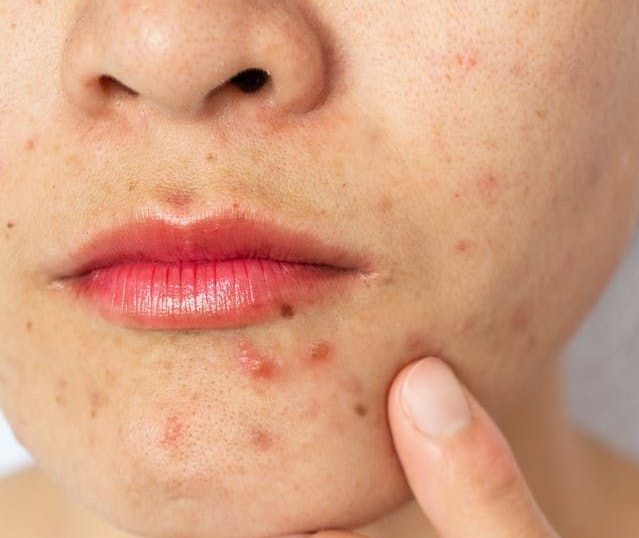
Acne is something most of us have dealt with at some point, whether it was a few stubborn pimples in high school or persistent breakouts that followed you well into adulthood. It’s easy to dismiss it as “just a skin thing,” but untreated acne can leave behind permanent scars and take a real toll on your confidence. The good news? Once you understand what’s actually causing it, you’re already halfway to fixing it.
So, What's Really Behind Your Breakouts?
Acne isn’t about being dirty or eating too much chocolate (we’ll get to the myths in a moment). At its core, acne happens when hair follicles get clogged with oil, dead skin cells, and bacteria. But several factors can make you more prone to this:
- Overactive oil glands producing excess sebum
- Hormonal shifts during puberty, pregnancy, or conditions like PCOS
- A bacteria called Cutibacterium acnes that thrives in clogged pores and causes inflammation
- A family history of acne
- Chronic stress, which raises cortisol and triggers more oil production
On top of all this, certain cosmetics, heavy skincare products, and even environmental pollution can quietly aggravate your skin from the outside.
Myths Worth Dropping
Poor hygiene causes acne. Not true. Overwashing actually irritates your skin and triggers more oil production.
Only teenagers get acne. Adult acne is very common, especially in women.
Toothpaste clears pimples. It can cause burns and dark spots that are harder to treat than the original breakout.
Sun exposure helps. It might look better short-term, but it worsens pigmentation and scarring over time.
What Actually Works
The right treatment depends entirely on how severe your acne is and what’s driving it. At Healthy Skin Nepal, every treatment plan is tailored to the individual. Common approaches include:
- Topical treatments like retinoids, benzoyl peroxide, or antibiotics to target bacteria and clear pores
- Oral medications for moderate to severe cases that don’t respond to creams alone
- Chemical peels to tackle active breakouts and fade post-acne marks
- Laser therapy for scarring and deeper skin damage
- Hormonal evaluation for women whose acne is tied to an underlying hormonal imbalance
One thing is consistent across all cases: the earlier you treat acne, the less likely it is to leave lasting marks.
When to See a Dermatologist
If your acne is painful, leaving scars, or not responding to over-the-counter products-don’t wait.
Clear skin isn’t out of reach. With the right guidance, it’s very much achievable.
Post Related