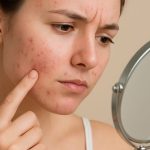
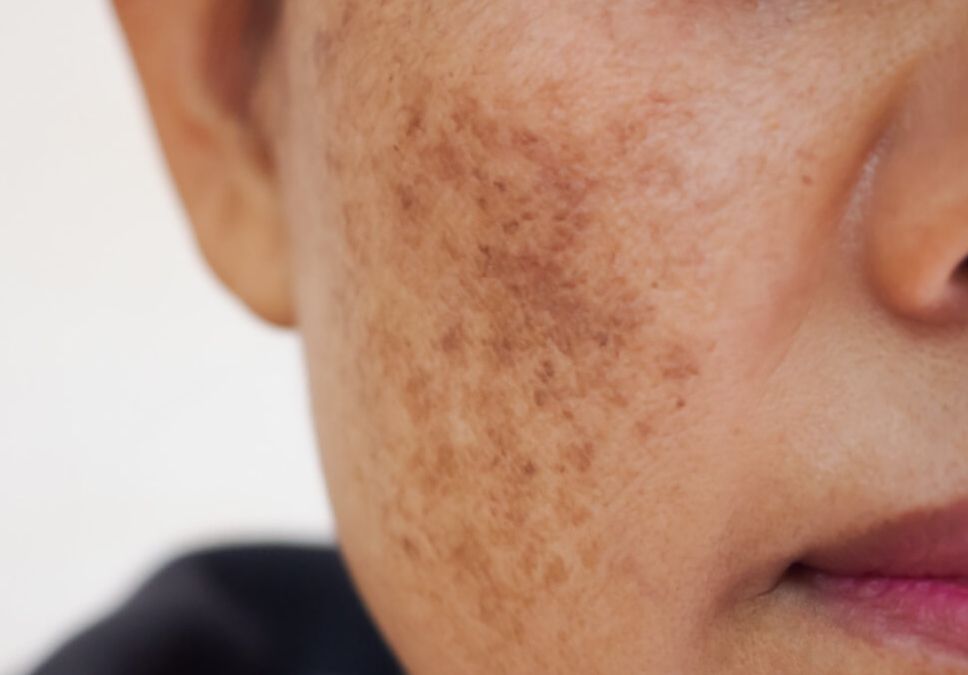
You wake up, look in the mirror, and notice it. Dark patches on your cheeks, an uneven tone across your forehead, stubborn spots that no amount of concealer fully hides. If this sounds familiar, you’re not alone. Pigmentation is one of the most common skin concerns in Nepal, and the sunny climate doesn’t help.
But here’s what most people get wrong: they treat all dark spots the same way. They don’t work the same way, and they definitely don’t respond to the same treatments.
So What Even Is Melasma?
Melasma is a chronic skin condition that shows up as symmetrical brown or grayish patches, typically across the cheeks, forehead, nose, and upper lip. It’s far more common in women, and once it appears, it tends to stick around without proper treatment.
What's Triggering Your Pigmentation?
The biggest culprit is sun exposure. UV radiation overstimulates melanin production, and in a country with Nepal’s level of sun, your skin is fighting that battle every single day. But sun isn’t the only trigger. Hormonal changes from pregnancy or contraceptive pills, a genetic predisposition, past acne or skin injuries, and even poorly done cosmetic procedures can all leave lasting marks on your skin.
Left untreated, pigmentation almost always gets worse, not better.
Not All Dark Spots Are the Same
This is where it gets important. There are three main types of pigmentation, and each needs a different approach:
- Melasma – hormone-related, appears in symmetrical patches
- Post-inflammatory hyperpigmentation (PIH) – the dark marks left behind after acne or a skin injury
- Freckles and sunspots – triggered purely by sun exposure over time
Getting the diagnosis right isn’t just helpful – it’s essential. The wrong treatment for the wrong type of pigmentation can make things significantly worse.
What Actually Works
At Healthy Skin Nepal, treatment is always built around your specific skin and the type of pigmentation you’re dealing with. A proper plan typically involves a combination of medical-grade topical creams, chemical peels, laser therapy where appropriate, and non-negotiably consistent sunscreen use. Hormonal and lifestyle factors are also assessed, because treating the surface without addressing what’s driving it underneath rarely leads to lasting results.
One word of caution: random skin-lightening creams from the pharmacy are some of the most common reasons melasma gets worse. Self-medicating with unregulated products can deepen pigmentation, cause irritation, and create new problems on top of the original one.
Keeping It From Coming Back
Even after successful treatment, pigmentation can return without the right habits in place. Daily broad-spectrum sunscreen is non-negotiable – even on cloudy days. Avoid direct midday sun when you can, treat acne early before it leaves marks, and stay away from unregulated cosmetic products that promise quick results.
Even, healthy skin is absolutely possible. It just takes the right plan, a little patience, and expert guidance to get there.
Post Related